Even though International Women’s Day has passed, we continue to highlight voices from across the industry as part of our efforts IWD sound this series, with leaders sharing the journeys, experiences, insights and learnings that have shaped them.
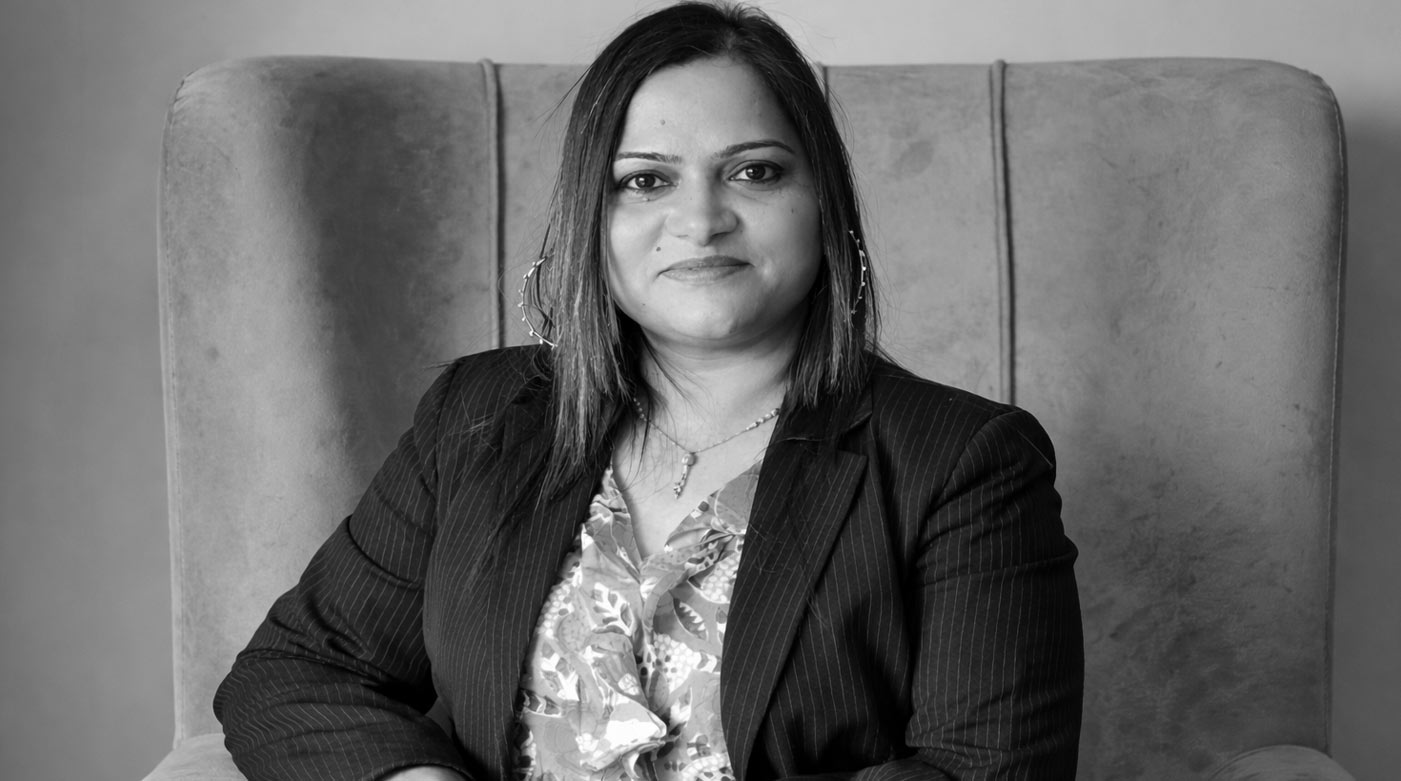
Next, we spoke with Manisha Khadge, CMO at Mindbowser Inc.
Manisha reflects on what the IWD 2026 theme means to her personally and professionally, and explores how her career moved from a technical foundation to marketing at the intersection of technology, strategy and communications.
advertisement

She also discusses the responsibility senior leaders have in creating an equitable workplace beyond policy, and the changes she most wants to see for the next generation of women.
The theme for International Women’s Day 2026 is “Rights. Justice. Action. For ALL Women and Girls.” What does this mean for you professionally and personally?
For me, this theme is a reminder that justice cannot just be an idea we support once a year. This should be visible in the choices organizations make every day. In the workplace, this means ensuring women have the same access to opportunities, recognition and leadership pathways as everyone else.
Personally, this shows the importance of speaking out and encouraging other women to do the same. Many competent women still downplay their opinions or are reluctant to speak up. Real change happens when workplaces actively remove these barriers and when women feel confident to take on roles where their perspective will drive decisions.
advertisement

What first attracted you to this industry, and was there a defining moment that set your career in motion? Were there any role models who influenced you early on?
Starting my career in the IT industry around 2003 was exciting and transformative. This is a time when software and technology are rapidly changing the way businesses operate, and the opportunities for innovation are very exciting to me. With a technical academic background, I was naturally drawn to the field of technology. However, I also realized early on that my strengths in communications and storytelling gave me a unique opportunity to bridge the gap between complex technology and the society and businesses it serves. That realization led me to marketing, which became the perfect blend of technology, strategy, and communications.
One of the important realizations early in my career was that technology marketing is not just about promoting products, but about translating innovation into real impact. Helping organizations understand how technology can solve problems, drive growth, and transform industries is something I’m very passionate about.
I don’t have a single role model who shaped my path, but I am always inspired by leaders who combine strategic thinking with curiosity and adaptability. The technology industry continues to evolve, and watching how visionary leaders anticipate change and turn it into opportunity has been something that has really motivated me throughout my journey.
How does your understanding of justice change with experience and seniority?
Fairness often seems simple when you first start your career. You believe that if everyone obeys the same rules, then the results will always be fair. Working with diverse groups and individuals over time reveals the complexity of reality. Each individual brings varying levels of exposure, confidence, and support to the workplace.
Leaders need to be aware of who is receiving opportunities and who may be overlooked.
I have discovered through experience that justice requires awareness and focus. Leaders need to be aware of who is receiving opportunities and who may be overlooked. This includes fostering an environment where everyone feels comfortable sharing their thoughts and where growth is determined by talent and hard work. The obligation to ensure that opportunities are not completely dependent on visibility comes with seniority.
As the conversation around women and work continues to evolve, what do you think is really improving—and where do you think greater attention and action is still needed?
One encouraging growth in recent years has been the increasing recognition of the contributions of women in various industries, particularly in the fields of technology, leadership and entrepreneurship. Today, many organizations are more aware of the importance of developing inclusive policies, empowering women to assume leadership positions, and creating work environments that support women at all stages of their careers. Undoubtedly, discussions have become more visible and transparent.
However, much remains to be done to turn these discussions into routine action. In many industries, particularly in finance, revenue management and strategic roles, women remain underrepresented in senior decision-making positions. These roles have traditionally been considered male-dominated, with a common perception that men are better suited to handle financial or revenue responsibilities. As a result, women often receive fewer opportunities to develop in these areas.
Creating stronger support networks that enable women to thrive, persist and lead with confidence throughout their careers is equally important.
Are there any projects or initiatives you have worked on related to women’s empowerment that you are particularly proud of? What makes it meaningful to you?
One initiative I’m particularly proud of is contributing to discussions around diversity, equity, and inclusion through DEI-focused podcasts and community platforms. These forums create a space for honest dialogue about the challenges women face in technology and leadership, while highlighting the progress and opportunities that exist today.
I am also actively involved with professional communities such as Women in Data Science (WiDS), Women in Tech, and similar groups that seek to empower women through mentorship, knowledge sharing, and networking. Being part of this community allows me to learn and support other women in their careers in technology.
At Mindbowser, we also strongly believe in creating an environment where women can grow and lead. We actively support women through inclusive hiring practices, leadership opportunities and initiatives that encourage women to take on strategic roles in marketing, technology and operations.
What makes this endeavor meaningful to me is the power of representation and shared experience. When women see others leading, innovating, and shaping the industry, it builds confidence and opens doors for the next generation of women in tech.
What responsibilities do senior leaders have in creating a fairer workplace, beyond statements or policies?
The decisions made by senior leaders have a major impact on workplace culture. This is more than just issuing guidelines or making statements about inclusivity. True accountability lies in the distribution of opportunities, consideration of ideas, and long-term identification and development of talent.
Leaders must be aware of changes in their teams. Is the same sound heard every time? Do growth opportunities reach broader groups of society? Leaders must remain aware of these conditions and take consistent action to create a more equitable workplace. An atmosphere where people feel appreciated, respected and able to develop is increasingly created when leaders set an example through their daily actions.
Leaders must be aware of changes in their teams. Is the same sound heard every time? Do growth opportunities reach broader groups of society?
It’s also important for leaders to look beyond formal policies and pay attention to everyday workplace dynamics. Often, visibility and opportunities come through informal networking, conversations, and recommendations that happen behind the scenes.
Being alert to these patterns and making a conscious effort to expand access to mentorship, exposure, and leadership opportunities can help ensure that talent across the organization gets a fair chance to thrive.
What changes would you like to see in the workplace for the next generation of women?
One of the changes I’d like to see is making the workplace a space where women don’t feel like they have to prove themselves all the time. A stronger sense of validation and belief in women’s abilities must be there from the start, not something they have to earn over and over again. Many talented women still believe that to gain the same authority or trust, they have to put in twice as much effort. Rather than dealing with unnecessary skepticism, the next generation must be able to concentrate on learning, creating, and leading.
I would also like to see more women boldly take on decision-making responsibilities at an early stage in their careers. When workplaces actively encourage this and treat women’s leadership potential as normal and unsurprising, it creates a healthier environment for everyone and strengthens the talent pipeline for the future.
Quick Punch
Trends you like or don’t like
I am passionate about how AI is enabling more women to participate and lead in technology. Barriers to entry in areas such as data, product innovation, and entrepreneurship are lowering as existing tools become more accessible. Where I am less interested is when AI adoption moves faster than responsible governance, especially in areas related to bias and representativeness. As the industry evolves, it is important for diverse voices, including women, to be involved in shaping this technology.
Creative campaigns or representation of women that inspire or make you feel seen
One campaign that stood out to me was #LikeAGirl by Always. This challenges a phrase that is often used negatively and turns it into a powerful message of self-confidence for girls and women. The campaign received global response as it tackled stereotypes in a simple yet impactful way.
A piece of advice that lasts longer than you expect
Early in my career, my father told me: “Don’t wait to be completely ready, growth often happens when you take a few chances before you feel truly ready.”
That advice stuck with me because many women tend to underestimate their readiness. Over time, I’ve realized that accepting challenges, even while you’re still learning, often accelerates self-confidence and leadership.
PakarPBN
A Private Blog Network (PBN) is a collection of websites that are controlled by a single individual or organization and used primarily to build backlinks to a “money site” in order to influence its ranking in search engines such as Google. The core idea behind a PBN is based on the importance of backlinks in Google’s ranking algorithm. Since Google views backlinks as signals of authority and trust, some website owners attempt to artificially create these signals through a controlled network of sites.
In a typical PBN setup, the owner acquires expired or aged domains that already have existing authority, backlinks, and history. These domains are rebuilt with new content and hosted separately, often using different IP addresses, hosting providers, themes, and ownership details to make them appear unrelated. Within the content published on these sites, links are strategically placed that point to the main website the owner wants to rank higher. By doing this, the owner attempts to pass link equity (also known as “link juice”) from the PBN sites to the target website.
The purpose of a PBN is to give the impression that the target website is naturally earning links from multiple independent sources. If done effectively, this can temporarily improve keyword rankings, increase organic visibility, and drive more traffic from search results.