Ayush Jain, CEO & Founder, Mindbowser Inc.
Remote patient monitoring (RPM) has become synonymous with the future of care, promising fewer hospital visits, earlier interventions and better outcomes. But what does it actually cost to turn continuous patient data into better clinical decisions?
The answer has little to do with the price of a wearable or a connected blood pressure monitor. The real cost lies in the systems, workflows and clinical processes required to transform data into care. Every data point must be interpreted, prioritized, integrated, secured and acted upon in time.
After years of building digital care platforms alongside healthcare organizations, I have come to believe the biggest challenge in RPM rarely begins with the device. It begins after a patient leaves the hospital. Healthcare does not suffer from a shortage of information; it struggles to turn information into timely clinical decisions.
Real Work Begins After The Patient Goes Home
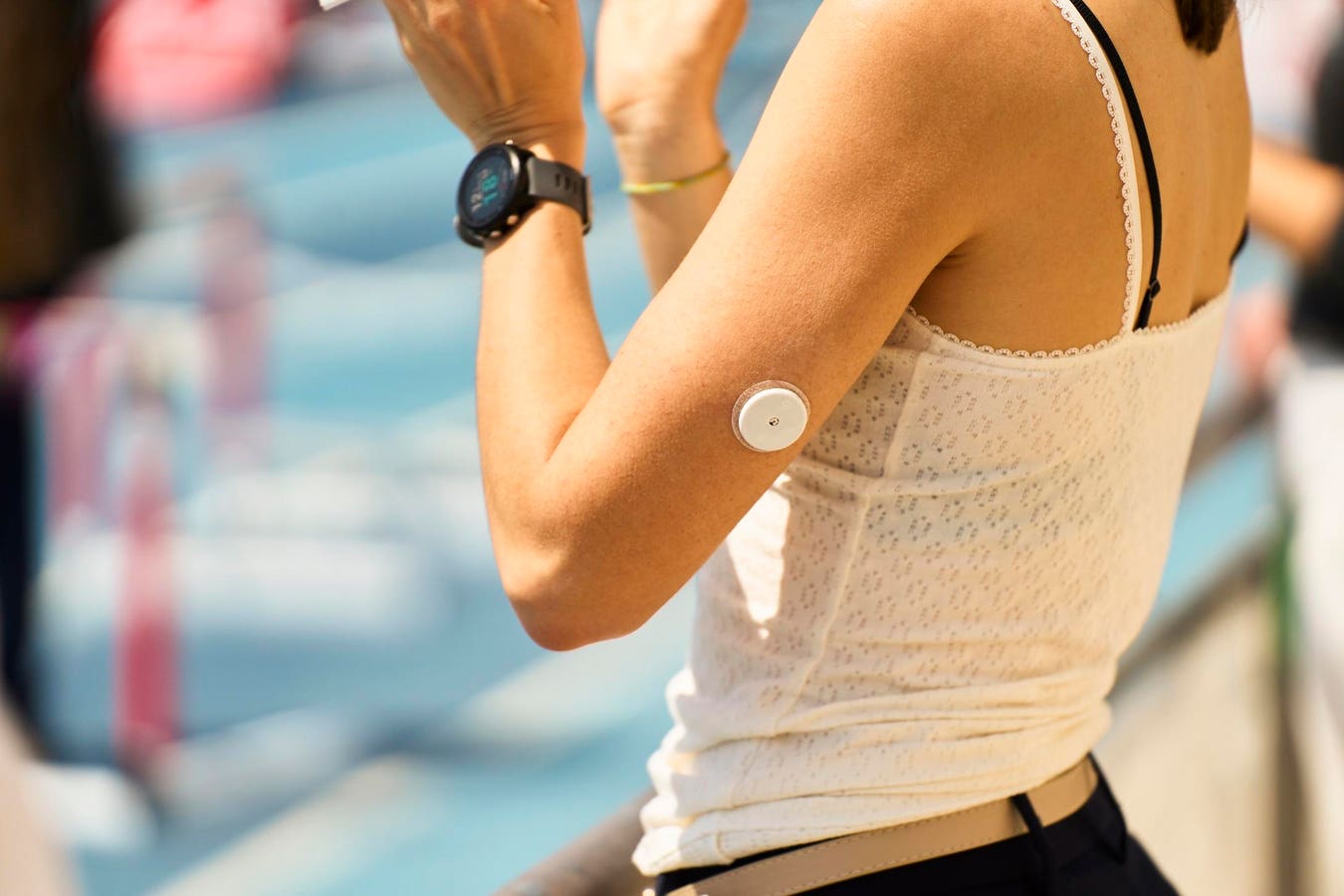
A connected device can continuously transmit blood pressure, oxygen saturation, heart rate or glucose readings without requiring the patient to return to the hospital.
But collecting data is only the first step. Every reading raises the same question: Does this require action?
This is where RPM stops being a technology deployment and becomes a clinical service. Behind every dashboard sits a care team deciding whether a change is a normal fluctuation or an early sign of deterioration. The most common mistake I see is that organizations treat RPM as a procurement decision, a device to roll out, rather than a service to staff, train for and sustain.
A 2022 systematic review published in the Journal of Medical Internet Research found that interactive RPM can improve clinical outcomes for patients with chronic conditions. However, realizing those benefits at scale requires workflows, trained teams and infrastructure that convert data into timely action.
The Economics Of RPM Are Changing
In July 2026, the Centers for Medicare & Medicaid Services (CMS) issued its proposed Medicare Physician Fee Schedule for 2027, outlining several potential changes to remote patient monitoring (RPM) and remote therapy monitoring (RTM). CMS has proposed requiring practitioners billing for RPM or RTM to furnish a separately reportable initiating visit when these services begin and allowing payment only when the services are performed by clinical staff employed by a practice rather than contractors. The proposals are not yet final and, if finalized, would take effect from January 1, 2027.
For healthcare organizations, this could reach well beyond billing. If practices need to bring more of the monitoring function in-house, the true cost of RPM becomes visible: clinical staffing, training, documentation, technology integration and infrastructure.
Building and operating RPM programs has made it clear that cost is ultimately determined by what happens after data arrives. The job of technology is to make that clinical work more efficient, not to generate more of it.
Healthcare Doesn’t Have A Data Problem; It Has An Attention Problem
Continuous monitoring creates enormous volumes of information. A single patient can generate hundreds of readings a week. Multiply that across thousands of patients, and providers face an overwhelming stream of data. Not every abnormal reading is an emergency, yet every alert consumes clinical attention.
This is where many RPM programs go wrong. They use AI to generate more alerts instead of clearer signals. Layering another notification stream onto an already stretched care team does not reduce risk. It accelerates alarm fatigue.
The more useful role for AI is to reduce cognitive load: summarizing a patient’s journey, surfacing emerging risk patterns and helping teams decide where human expertise is needed most.
AI in RPM should not replace clinicians. It should protect their attention.
Data Trapped In Dashboards Doesn’t Improve Healthcare
Even the most sophisticated monitoring system has limited value if patient information stays trapped in a separate application. RPM cannot succeed as a standalone technology layer. If a physician has to log into another platform or manually reconcile another stream of data, RPM becomes one more burden rather than a source of clarity.
The organizations that get this right treat RPM as an interoperability problem first and a monitoring problem second. The test is simple. Does remote-monitoring data appear inside a clinician’s existing workflow, ideally the EHR they already use, or does it create a new place they have to remember to look? Connecting EHRs, wearables and remote-monitoring systems is not a technical nicety; it is what determines whether clinicians ever see a complete picture of the patient.
Every connected patient is another connected endpoint. Health data travels from home medical devices through applications, cloud platforms and hospital systems before reaching a clinician, and each step widens the digital footprint. Security has to be designed into the architecture from the start, not added later.
Healthcare organizations often celebrate devices deployed, patients enrolled or data points collected. These metrics show adoption, not impact. The more meaningful questions are whether RPM caught deterioration earlier, improved medication adherence or let clinicians intervene before a patient worsened.
Three Questions That Reveal RPM’s Real Cost
Before investing in any RPM program, regardless of vendor, leaders can pressure-test it with three questions:
• Cost Of Attention: For every hundred readings we collect, how many require clinical action, who reviews the rest and is that workload staffed?
• Integration: Does the data land inside the workflow clinicians already use, or does it create another screen to check?
• Effectiveness: Can we point to specific decisions that changed because of the data, such as an earlier intervention or adjusted medication, rather than adoption numbers?
The Bottom Line
As care moves beyond hospital walls, organizations need to judge digital transformation through a different lens. The real cost of RPM lies in building workflows, interoperable systems, secure infrastructure and skilled teams that turn continuous data into timely action.
Because in the end, RPM does not create value when a device records a reading. It creates value when that reading reaches a clinician, informs a decision and changes what happens to the patient.
Forbes Technology Council is an invitation-only community for world-class CIOs, CTOs and technology executives. Do I qualify?
PakarPBN
A Private Blog Network (PBN) is a collection of websites that are controlled by a single individual or organization and used primarily to build backlinks to a “money site” in order to influence its ranking in search engines such as Google. The core idea behind a PBN is based on the importance of backlinks in Google’s ranking algorithm. Since Google views backlinks as signals of authority and trust, some website owners attempt to artificially create these signals through a controlled network of sites.
In a typical PBN setup, the owner acquires expired or aged domains that already have existing authority, backlinks, and history. These domains are rebuilt with new content and hosted separately, often using different IP addresses, hosting providers, themes, and ownership details to make them appear unrelated. Within the content published on these sites, links are strategically placed that point to the main website the owner wants to rank higher. By doing this, the owner attempts to pass link equity (also known as “link juice”) from the PBN sites to the target website.
The purpose of a PBN is to give the impression that the target website is naturally earning links from multiple independent sources. If done effectively, this can temporarily improve keyword rankings, increase organic visibility, and drive more traffic from search results.